

The biggest news from the 2024 Democratic National Convention has been VP candidate Tim Walz’s son, Gus, and his heartwarming reaction to his dad’s speech. Gus Walz, a 17-year-old with a nonverbal learning disorder, ADHD, and an anxiety disorder, proudly exclaimed, “That’s my Dad!” after his father’s remarks.
On Wednesday night (August 21), Minnesota Governor Tim Walz accepted his nomination as the 2024 Vice Presidential candidate in front of a packed crowd at the United Center in Chicago. Governor Walz’s family, including his wife Gwen, daughter Hope, and son Gus, stood near the front of the stage, offering their support as his speech streamed to millions. The entire family looked on with pride as Governor Walz, a former congressman and high school football coach, made his case for why he and his party’s ticket should lead the nation in the upcoming election.
Public speaking can be a nerve-wracking experience for many, and it’s likely that Governor Walz’s family shared some of those nerves before his speech. Any concerns, however, quickly faded as Governor Walz concluded his remarks. The crowd erupted into chants of “COACH!” and applause, creating a scene of celebration and support. Among the crowd, Gwen, Hope, and Gus Walz became enshrouded by enthusiastic supporters.
Hope, a regular figure in Governor Walz’s campaign and social media, had been featured in many stories leading up to the convention. She has appeared in campaign videos discussing policies and connecting with younger voters. In contrast, Gus was not often in the public eye, making his appearance at the convention particularly special. At first, he seemed unsure of how to react, standing quietly as his father spoke. His expression was thoughtful, maybe even a bit worried about how the speech would go over with the audience.
But as the crowd’s cheers grew louder, Gus’s demeanor changed. Realizing that his father was receiving overwhelming support, he jumped to his feet. With excitement, he pointed toward the stage and joyfully mouthed the words, “That’s my dad!” to those around him. His face lit up with pride as he reminded his sister and waved to the crowd, tears of joy welling in his eyes. It was a beautiful, emotional moment showcasing his love and admiration for his father.
The family then took the stage together, presenting a united front as they stood before the country. They symbolized not only their personal family bond but also what they hoped to bring to the nation’s highest offices.
The next day, Gus Walz became a topic of conversation online. While many showed support and curiosity about the family, some critics targeted Gus’s emotional reaction, pointing out his nonverbal learning disorder, ADHD, and anxiety disorder. In response, Governor Walz referred to these traits as Gus’s “secret power” during a family interview with People magazine. Tim and Gwen Walz praised their son, describing him as “brilliant, hyper-aware of details, and an excellent son and brother.” Despite online negativity, Gus’s genuine display of emotion captured the hearts of many, reminding us all of the importance of acceptance and understanding.
At ABA Centers of New Jersey, we are committed to promoting acceptance and understanding for all individuals with autism and other learning disabilities. Like Gus, children with these challenges are just kids, each with their unique strengths and areas for growth. They have their fears, dreams, and potential to thrive, given the proper support and environment.
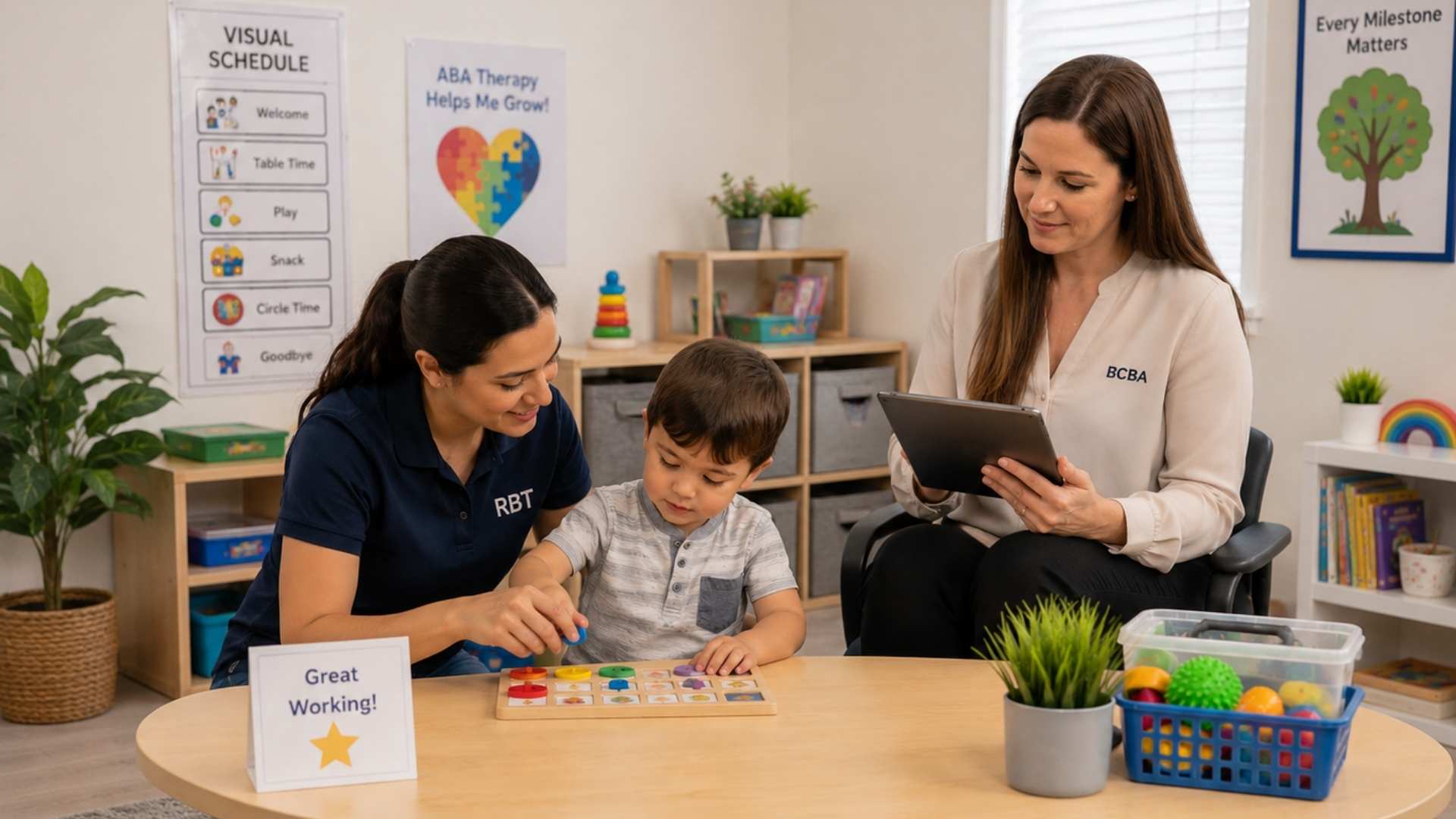
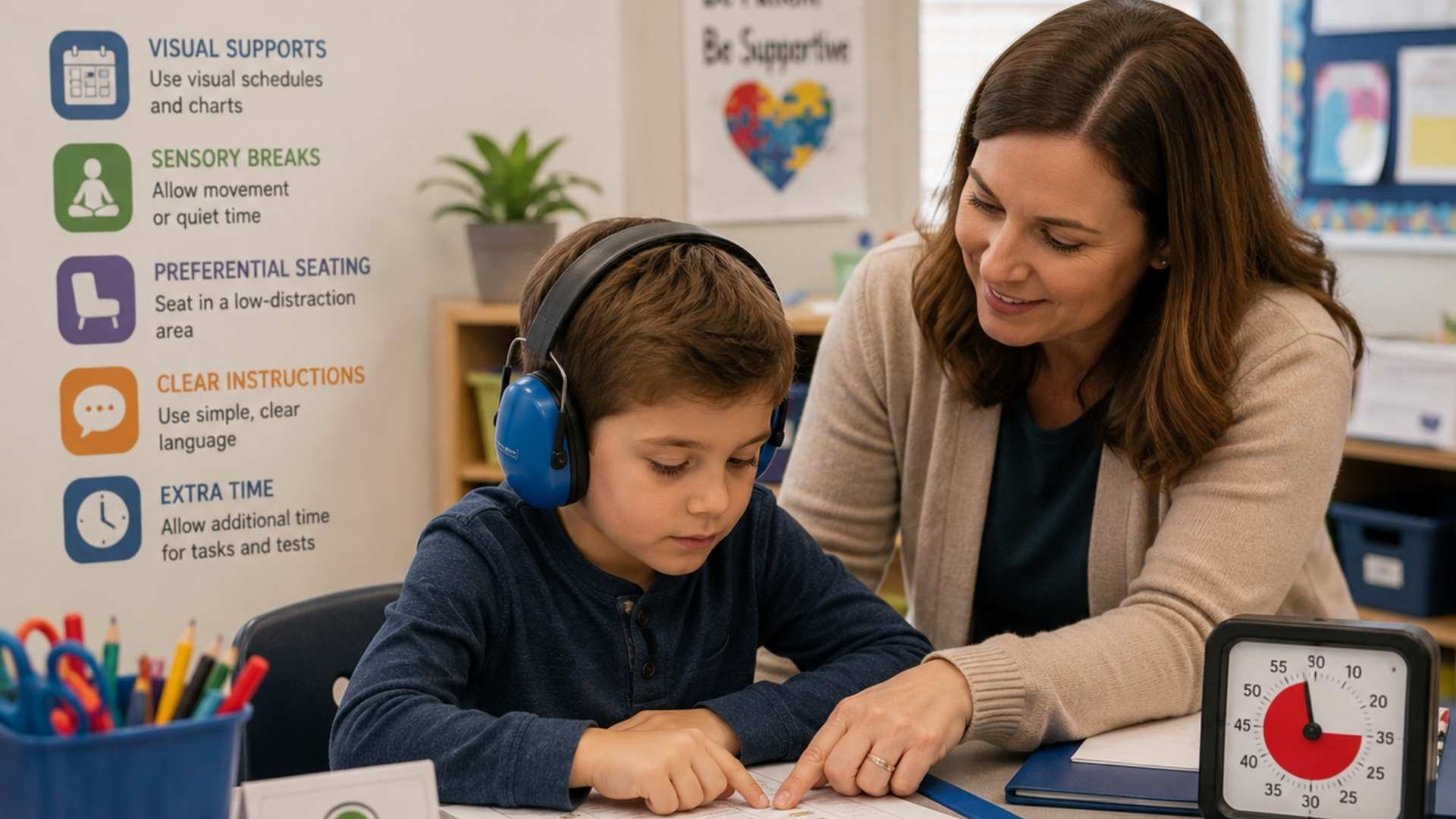
Applied Behavior Analysis (ABA) therapy is a proven, evidence-based approach that helps children and teens with autism and other learning challenges develop crucial life skills, improve communication, and reduce unwanted behaviors. ABA therapy can make a significant difference for children, whether at home, in school, or other social settings. At ABA Centers of New Jersey, we offer comprehensive services, including autism diagnostic assessments, early intervention programs, in-home therapy options, and partnerships with schools to bring our specialized care into the classroom.
We believe in the power of ABA therapy to help children reach their full potential. Our therapy builds on each child’s inherent strengths and fosters new skills in a fun, engaging, and supportive environment. Whether your child is showing signs of being on the spectrum or struggling with day-to-day activities, we have the resources and expertise to help.
If you’re looking for support, ABA Centers of New Jersey is here to assist. Connect with us today by calling (855) 640-7888 or visiting our website to schedule a free consultation. We are committed to providing a safe and nurturing space for your child to grow, learn, and thrive.



 English
  Español